Start Your Transformation
10 Easy, Proven Steps to Start Your Digital Transformation Journey – With Confidence
Yesterday, many system operators were simply thinking about digital transformation. Today, digital maturity has become essential – not only to stay efficient and resilient, but to operate safely in an increasingly complex energy landscape.
For the energy industry, the shift is especially significant. Unlike sectors such as telecommunications or finance, much of the energy value chain is still catching up – often working with legacy systems and operating under regulatory constraints that make rapid change more difficult. This applies to power plant operators, grid companies, transmission and distribution system operators alike.
At the same time, operations are changing faster than ever. More renewables, more volatility, more decentralization, more data – all placing new demands on system operation. The challenge isn’t just adopting new software; it’s building digital maturity: the skills, structures, processes, and confidence that make digital capabilities part of everyday work.
This page offers a simplified 10 step storyline, drawn from real experience, illustrating how such a journey often begins, evolves, and succeeds. Every organization is different, but no one needs to navigate this alone – and we are happy to support you along the way.
1. It All Starts With a Clear Direction
A clear digital vision helps align people, make priorities visible, and create momentum. Some organizations start with a digital maturity assessment; others define a bold, long‑term ambition. Both approaches can spark the journey.
Outcome: Define the WHY: Why do you need to transform – and what do you want to transform into?

2. Leadership Opens the Door
Bottom-up energy is valuable, but without top‑down support, transformations rarely succeed. In system‑critical and regulated environments, strong sponsorship often turns intention into real action. When leaders make transformation and innovation a strategic priority – and create a safe space where exploration does not threaten daily reliability – teams gain the confidence to try new approaches. This leadership signal shapes the culture from day one.
Outcome: Secure committed sponsorship from the highest level.
3. Building the Right Capabilities

Any transformation introduces new ways of working – and therefore requires new skills. Digital maturity accelerates when new profiles join established operational expertise. Product Owners, developers, architects, designers, DevOps specialists, Scrum Masters, and others complement engineering knowledge and enable modern product thinking.
Over time, the blend of roles shifts the mindset from “projects” to “products.”
Outcome: Bring in the right talents and skills to build digital capability.
4. Start Small – New Ways of Working in Short, Visible Cycles
Successful transformations rarely begin with a big bang. They start small – with tangible, meaningful results that demonstrate value early. Short development cycles, regular interactions with end‑users, and transparent backlogs allow products to evolve based on real operational needs. Teams may begin cautiously, but trust grows quickly when improvements become visible every few weeks. Starting small also helps fine‑tune processes and creates a natural, healthy path to scaling.
Outcome: Start small. Focus on delivering successful MVPs that create real value.
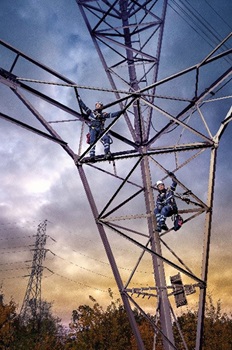
5. A Dedicated Space for Digital Work – Organizational Transformation
As the journey progresses, organizations typically need structures that enable digital teams to work end‑to‑end. This may take the form of a product organization, chapter model, product lines, or cross‑functional delivery teams that develop and operate software continuously. While every organization is different, the underlying principle remains the same: create a home where digital work can thrive.
Outcome: Establish the right organizational structure to support digital delivery.
6. Transparency Builds Trust
As digital work expands, openly sharing progress becomes essential – both to maintain support across the organization and to motivate the teams driving the transformation. A central place for roadmaps, release updates, architecture decisions, and sprint outcomes helps everyone understand what’s happening and why. Transparency strengthens confidence and fosters constructive feedback – especially in safety‑critical or regulated environments.
Outcome: Build a culture of transparency that encourages trust and engagement.
7. Momentum Comes From Consistent Delivery

Transformations gain energy when teams deliver consistently. Every improvement – a new feature, a better user experience, a more accurate forecast – reinforces belief in the process. This belief becomes momentum, and momentum carries the transformation forward even when challenges arise. Making results visible helps the organization understand the value of digital work and supports long‑term buy‑in.
Outcome: Deliver continuously and visibly – and highlight the value created.
8. Bringing Digital Products Safely Into Operation
Eventually, new digital products move into operational environments. This transition should be incremental, well‑coordinated with operations, and supported by clear safety and reliability boundaries. A gradual approach ensures that digital capabilities become part of everyday system operation – without compromising stability or compliance.
This applies equally to power plants, transmission systems, and distribution networks.
Outcome: Integrate digital products safely and incrementally into real operations.

9. Scaling at the Right Pace
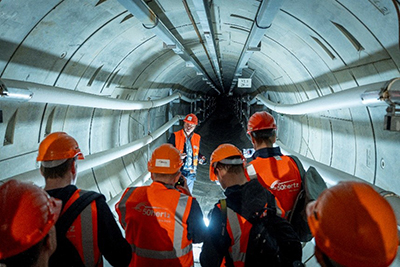
Not every part of an energy organization needs to transform at the same speed or scale. Many operators grow their digital practices step by step, focusing first on areas with the highest readiness or the greatest need. Respecting operational realities while expanding agile practices thoughtfully is often the key to sustainable success. Scaling works best when it is intentional – not forced.
Outcome: Scale only when maturity, readiness, and value creation align.
10. Actively Seek Cooperation and Co‑Creation With Peers – and Keep Iterating
Transformation is easier when it isn’t done alone. Energy companies across the value chain often face similar challenges – from forecasting volatility to managing complex operational environments. Actively exchanging experiences, co‑developing solutions, and learning from peers accelerates progress and reduces duplicated effort.
Over time, organizations that collaborate benefit from shared standards, shared learning, and shared innovation.
Continuous iteration ensures that digital transformation becomes a living capability, not a one‑time initiative.
Outcome: Create regular exchange with peers and embed continuous learning into the culture.


Let’s Explore Your Journey Together
Every system operator’s path is unique – shaped by its culture, complexity, and ambitions. We’re here to share experiences, learn from yours, and help you choose the steps that fit best.
Let’s connect and move the energy transition forward – one digital step at a time.
Get in touch
Did you like what you saw? Reach out to discuss, cooperate and work with us