Experts as Partners – On the Way to the Control Center of the Future
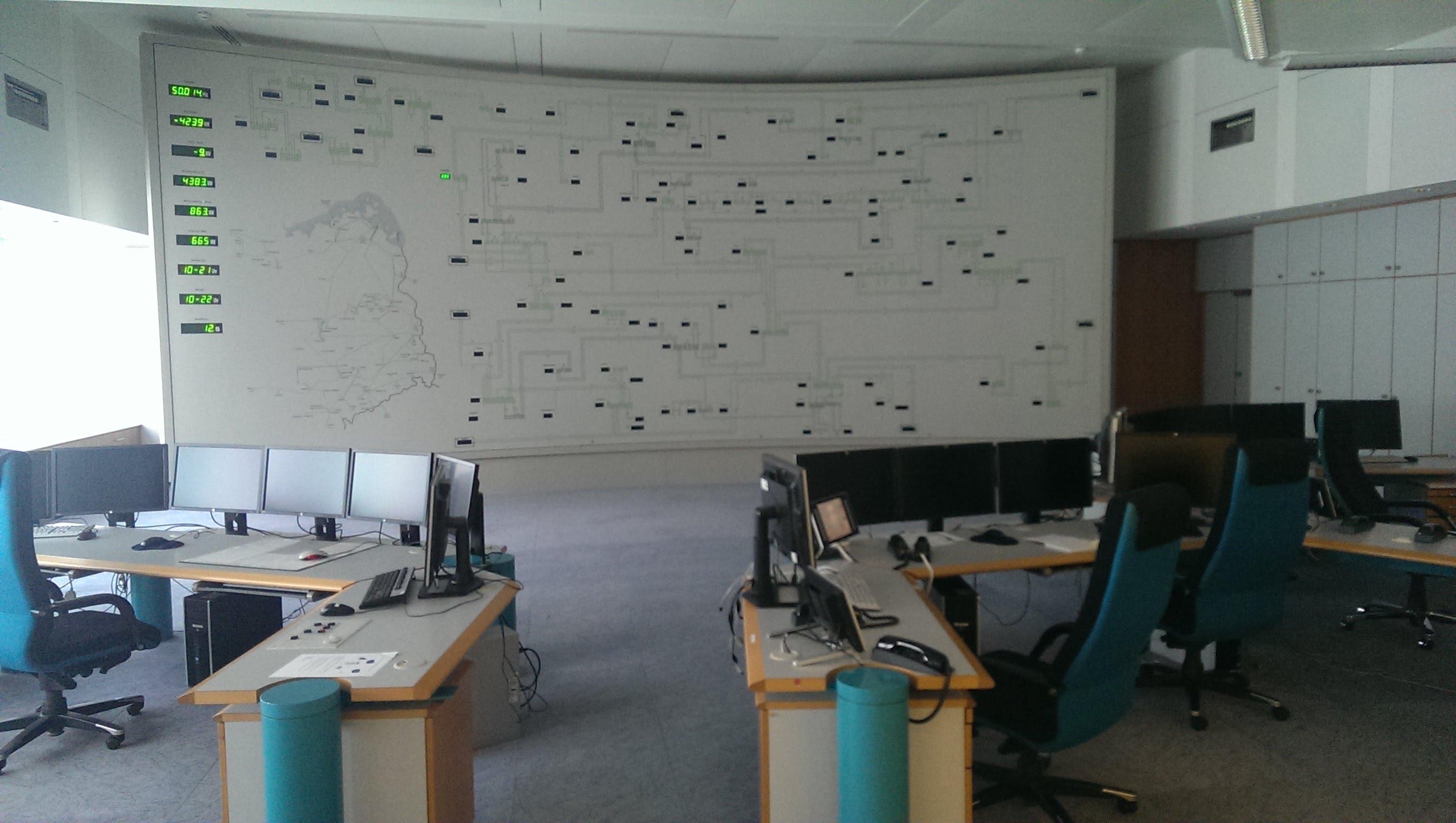
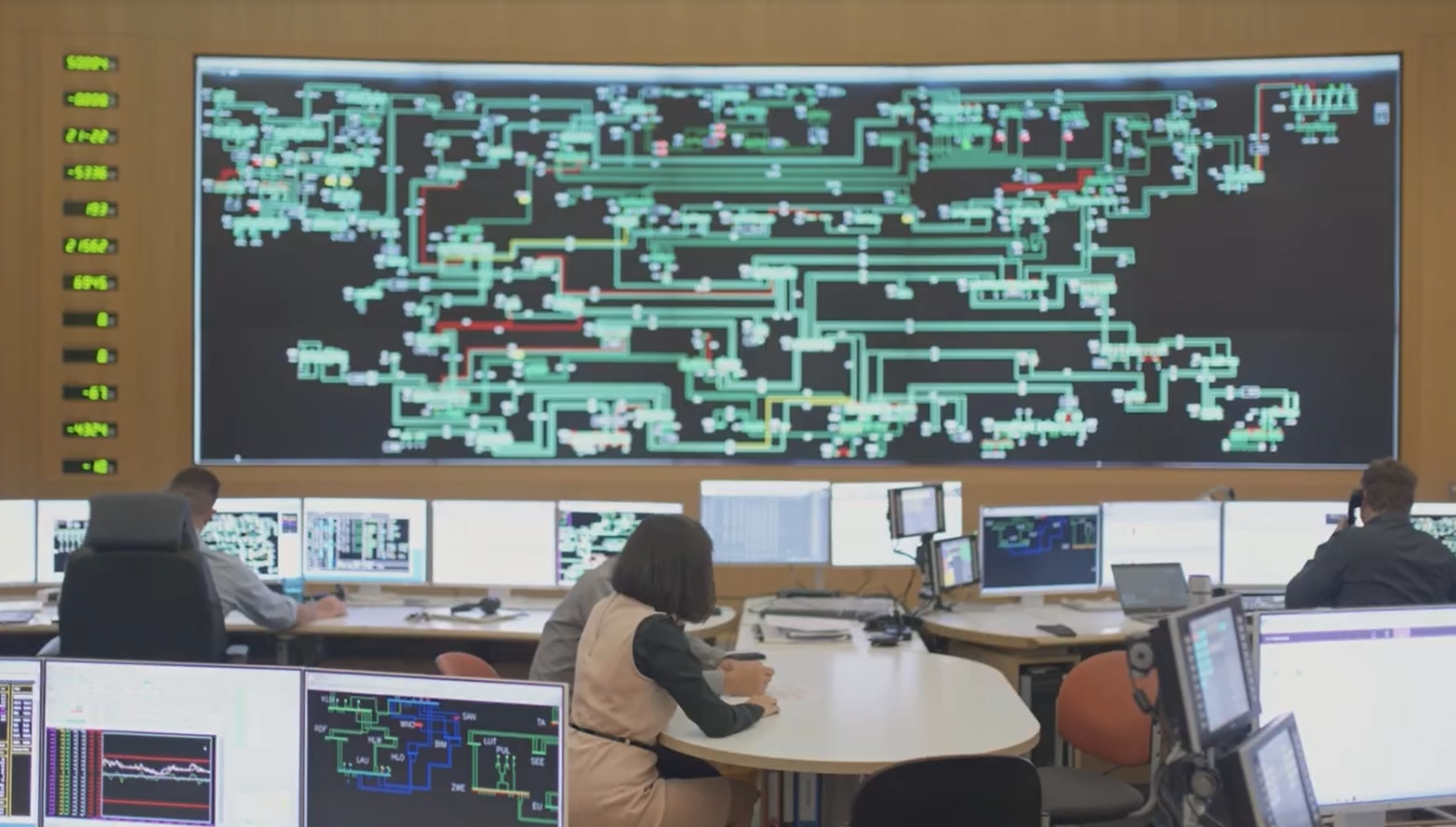
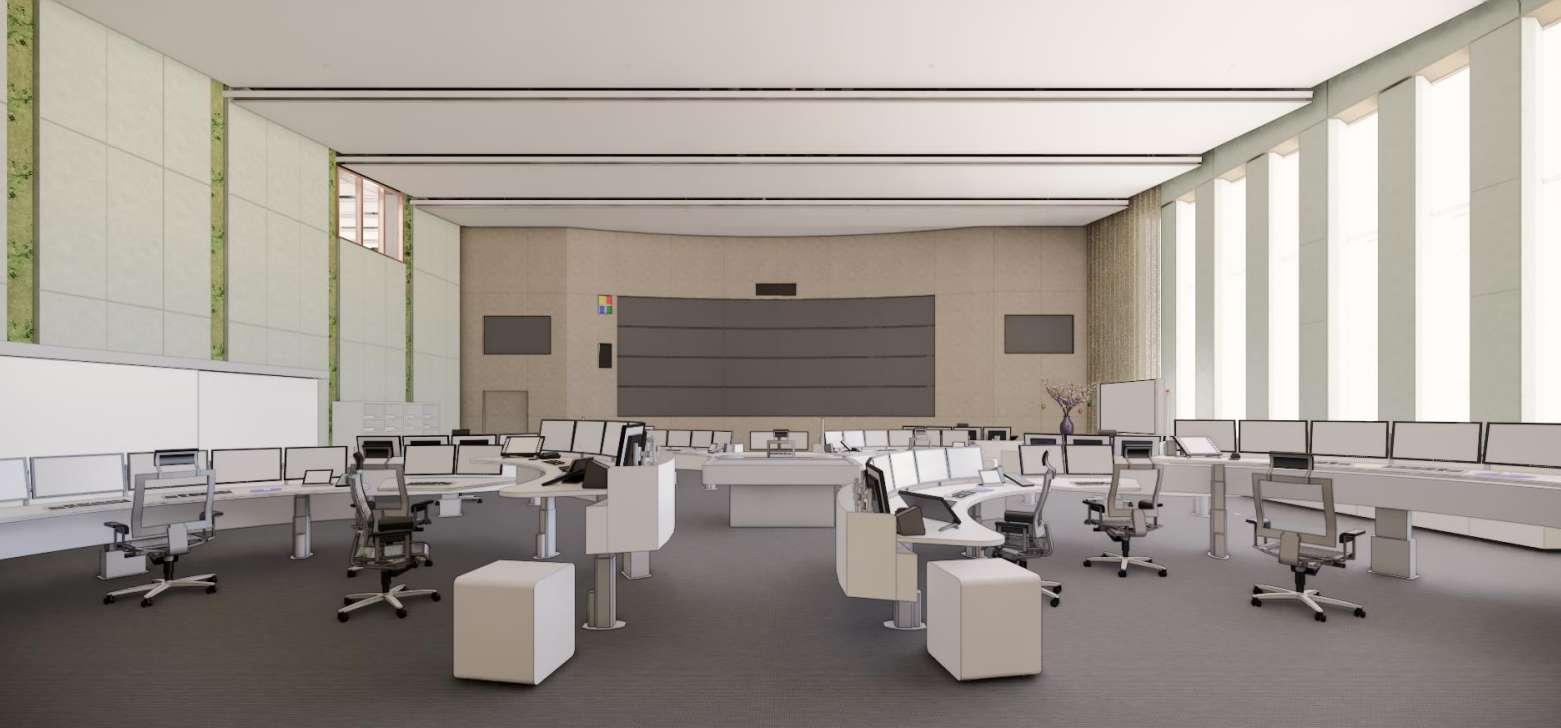
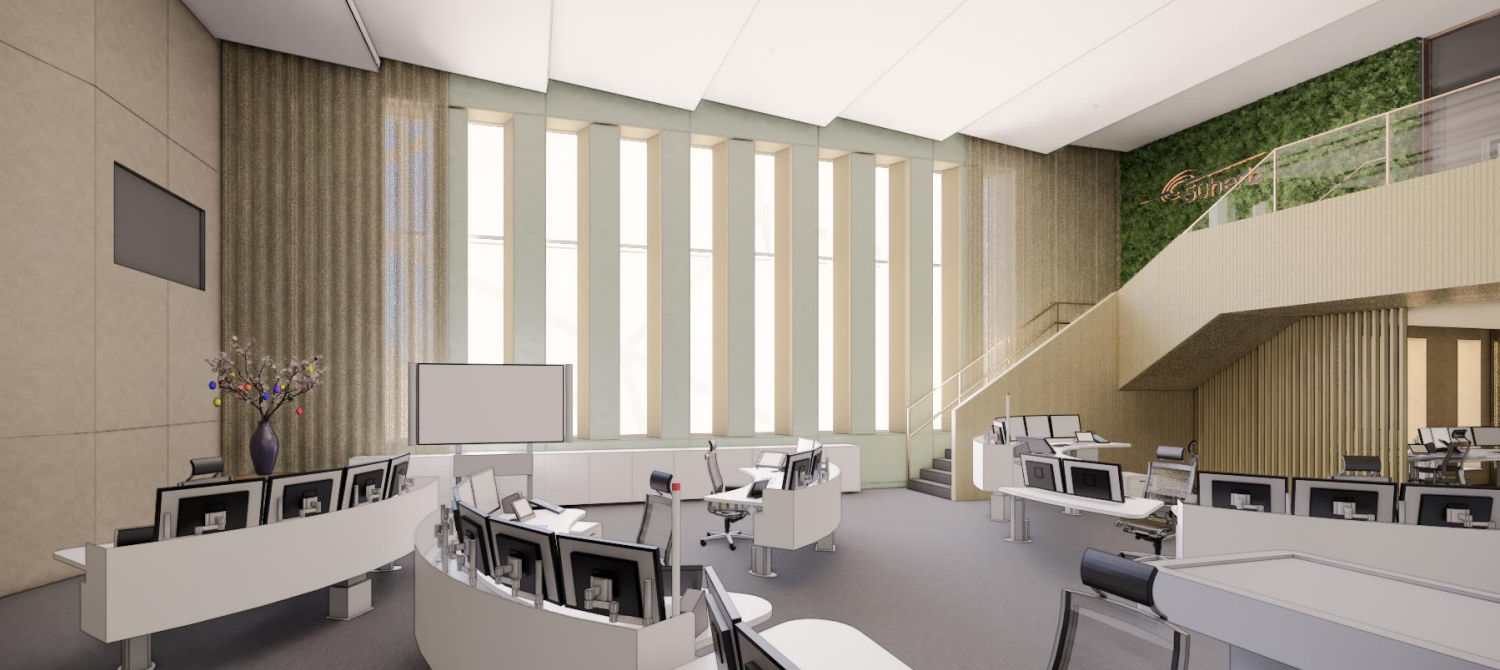
The energy system is becoming increasingly complex – and so is its control. This creates new requirements for both the physical and digital work environment, as well as for collaboration within system operations. We are in the midst of a comprehensive design process in which we are conceptualizing the “Control Center of the Future.” This future control center requires and enables new ways of working, new technologies, and new forms of collaboration. It is designed to be highly adaptable, communicative beyond the boundaries of the control center itself, highly resilient, and technologically advanced.
To achieve this, we take a holistic approach to advising and shaping the system operation of tomorrow:
- The physical environment and buildings, designed to foster communication and flexibility while considering present and future risks and hazards.
- The software, offering modular, scalable, robust, and highly adaptable functionalities – ready for all future challenges: both known and unknown.
- The work methods and interaction models, placing people at the center, and taking societal developments into account.
The organization of work will need to fundamentally evolve. Routine tasks will increasingly be automated, while conceptual and strategic activities will gain importance. IT skills will become ever more important, and role profiles will continue to develop. Knowledge will become more specialized and must be made available in a targeted and timely manner.
Five Steps to a User-Centered Control Center
MCCS represents a new way of working together. Our approach comprises five structured steps:
- Research & Benchmarking
We examined control centers worldwide, analyzed best practices, and identified trends in combination with individual challenges. - Participatory Transformation
Early involvement of employees to incorporate their requirements and ideas for practical, value-adding solutions. - Full-Scale Experimentation
We simulate the future control room with employees – using physical 1:1 mock-ups and virtual reality. - Group-Wide Integration
We enable knowledge transfer and integrate feedback from across the corporate group to leverage synergies and define common standards for international control centers. - Integration into Planning & Development
Insights flow directly into architecture, software, and organizational concepts.
Experts as Partners in Transformation
We make this expertise in organizational development available to our partners: a key element is the early involvement of users. For example, in a life-size model of the future control room, teams were able to experience and help shape the planned work environment in a realistic way. We greatly benefit from the strong support of the home community of the 50Hertz Control Center in Neuenhagen. Using physical mock-ups, virtual reality simulations, and interactive workshops, we discuss questions about room design, cooperation, communication, and the integration of new technologies. Direct feedback flows into architectural planning and the development of modular control center software.
Anne-Katrin Marten, Head of Operational System Management at 50Hertz:
“We are not just planning simple rooms; we are shaping the environment for the future of work in system operations. Our goal is to create a platform for collaboration and innovation – a campus that tests new technologies and prepares the organization for the demands of the coming decades. The new control center is not an end in itself or an expression of technological enthusiasm but is consistently focused on meeting the challenges of future system operations. This creates a functional and useful work environment that is not only state-of-the-art but sets the benchmark for the working world of tomorrow.”
A Campus for Innovation is Emerging
This holistic approach – the parallel planning of space, processes, and digital interfaces – creates maximum flexibility and avoids future limitations. The result is a campus for the entire Elia Group, which will not only include rooms or buildings but serve as an innovation platform. Here, new technologies can be tested, synergies leveraged, and best practices for collaboration developed.


No results found
-
04 May 2025
Market sounding Dynamic Security Assessment im 50Hertz Control Center
The energy transition and the decarbonization of the energy supply have resulted in the successive integration of renewable energies and the application of modern assets based on power electronics at 50Hertz. -

-
13 November 2025
Mid-Term Meeting Elia Group Research Challenge
The Elia Group Research Challenge, launched by 50Hertz Transmission GmbH and Energinet, is now at its halfway point – a good time to look at the achievements so far, discuss lessons learned and agree on the next steps for the upcoming months.